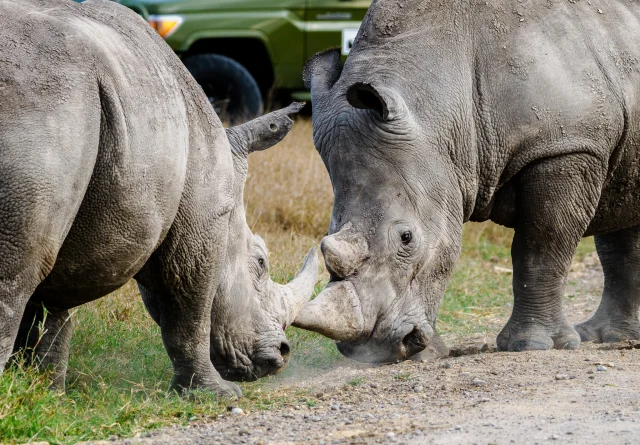
Largest Rhino Sanctuary in Kenya
Largest Rhino Sanctuary in Kenya
Kenya is located in East Africa. It is one of the best safari tour destinations in Africa; it was formerly a British colony. It is known to have the Big Five and the Great Migration; it also has the Great Rift Valley, Beautiful white sandy beaches, and diverse landscapes. Today, it hosts the largest rhino sanctuary in the world.
Kenya is a premier safari tour destination with about 50 National parks and Reserves, several Rhino sanctuaries, and wildlife conservancies and is home to the last remaining populations of the Northern White rhinos in the world, found in the Ol Pejeta Conservancy.
Kenya’s journey to wildlife conservation
On 9th December 2025, the President of Kenya, His Excellency President William Samoei Ruto, launched the expanded Tsavo West Rhino Sanctuary, a significant milestone in global conservation. The sanctuary was expanded to approximately 3,200 square kilometers, making it the largest rhino sanctuary in the world, a significant milestone for wildlife conservation, climate resilience, and nature-based economic development.
Speaking at Tsavo West National Park, His Excellency President Ruto characterized the extension as a strategic national investment that combines sustainable development, national security, wildlife protection, and climate action.
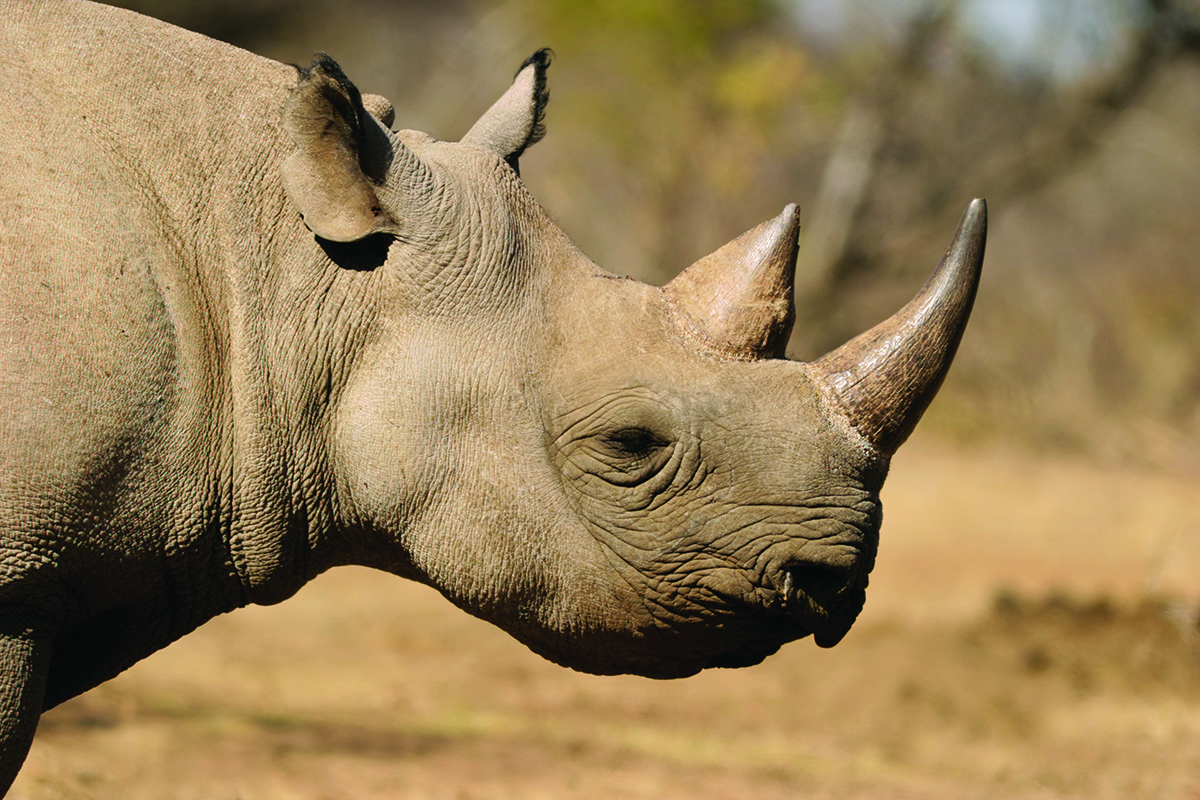
The sanctuary, which is found at the home of Kenya safari tours, Tsavo West National Park, was formerly known as Ngulia Rhino Sanctuary. The expanded sanctuary ensures the survival of one of Kenya’s most severely endangered groups of Eastern black rhinos.
There are over 2,000 rhinos in Kenya, including 1,000 southern white rhinos and over 1,000 black rhinos. This is estimated to be close to 78% of the Eastern Black Rhino population worldwide. This sanctuary, which is within one of the best Kenya safari destinations, has 150 black rhinos from the previous Ngulia Sanctuary and 50 from the Tsavo West Intensive Protection Zone. The extended sanctuary currently has the largest complete black rhino population in Kenya.
The 92-square-kilometer Ngulia Sanctuary’s ecological carrying capacity was surpassed for many years, which hindered survival and reproduction. In addition to supporting long-term population growth and restoring ecological balance, the new 3,200 square kilometer landscape enhances Tsavo’s standing as a top conservation and tourism destination.
President William Ruto reflected on conservation efforts in Kenya, pointing out that before poaching decreased the population in 1989, the Tsavo landscape was home to over 8,000 black rhinos. During this period, the Kenya Wildlife Service was established in response to the crisis. The president emphasized that safeguarding Kenya’s wildlife is a national responsibility that is of global significance.
The sanctuary is a component of the Kenya Rhino Range Expansion program and is in line with the Black Rhino Recovery and Action Plan and the National Wildlife Strategy 2030, according to Cabinet Secretary for Tourism and Wildlife Hon. Rebecca Miano. She said the increased habitat will enhance breeding success, lessen territorial disputes, promote genetic diversity, and boost community benefit sharing throughout the Tsavo region.
Professor Erustus Kanga, Director General of the Kenya Wildlife Service, described how the detailed and extensive ecological planning, the use of advanced LoRaWAN and VHF tracking systems, artificial intelligence-supported surveillance, and improved ranger infrastructure enabled the transition from a small sanctuary to a fully connected landscape.
He underlined that improved livelihoods generated by Kenya’s tours, tourism, youth employment, and community collaborations will be used to gauge success in addition to the recovery of the rhino population.
The Kenya Rhino Range Expansion initiative, the primary partner driving landscape-scale rhino recovery efforts in Kenya, has provided strong technical and financial assistance, enabling this transition. Jamie Gaymer, the CEO of KRRE, stressed that every rhino that is saved contributes to economic and environmental resilience and that successful conservation is nation-building.
The program’s investments in ecological assessments, monitoring technologies, security, and long-term planning, he continued, guarantee that the sanctuary satisfies both international criteria and Kenya’s national recovery objectives.
Kenya plans to double the yearly growth rate of the black rhino population from 5% to 8% by increasing space, security, and genetic strength of the Rhinos. This will make Kenya achieve its target of 2,000 rhinos by 2037 and 1,450 rhinos by 2030. The sanctuary is therefore projected to produce over 45 million US dollars in tourism and conservancy-related revenue by 2030, and job opportunities.
The expanded Tsavo West Rhino Sanctuary was officially opened by His Excellency President Ruto, who described it as a national legacy that preserves Kenya’s natural heritage for future generations and maintains Tsavo’s historic position as a continental stronghold for Africa’s rhinos.
His Excellency, the Governor of Taita Taveta County, was present at the occasion. Respected The Principal Secretary for Wildlife, Andrew Mwadime, Members of Parliament; Ambassador Meg Whitman; Principal Secretary Ambassador Doctor Monica Juma; Secretary for Aviation; and many conservation partners.
Other attractions in Tsavo West National Park
The Mzima Springs
Mzima Springs is one of the attractions in Tsavo West National Park. This is a natural spring with clear water that emerges from the rocks before forming a pool. It is home to a good population of hippos and crocodiles, submerging in the pool to escape the hot sun during the day. The Mzima Springs are located on the western side of Tsavo West National Park. It has several trees with fruits, such as dates, waterberries, and fig trees; food for vervet monkeys; and some bird species.
Shetani Lava
The Shetani lava flow is another great attraction in Tsavo West National Park. “Shetani” is a Swahili word that means the devil. The locals believe that, historically, some people witnessed fire emerging from the ground and thought it was the devil himself.
The shetani lava flow stretches for approximately 8 km long and 1.6 km wide and is 6 meters deep, formed as a result of volcanic eruptions.
Taita Hills wildlife sanctuary
This privately owned wildlife sanctuary is adjacent to Lumo conservancy. It is home to some wildlife species, extending the habitat of Tsavo West National Park.
Conclusion
Kenya is home to safaris and a great choice for wildlife viewing any time of the year. It is home to the Big Five animals, with the Great wildebeest migration happening yearly between Serengeti National Park in Tanzania and Maasai Mara National Reserve in Kenya.
Kenya also leads in wildlife conservation efforts with several sanctuaries and private conservation areas, which adds to its unique wildlife interaction activities, like feeding giraffes at the Giraffe Center or lion tracking in Maasai Mara private conservancies. Book your safari in Kenya today and experience the unforgettable wildlife encounters.