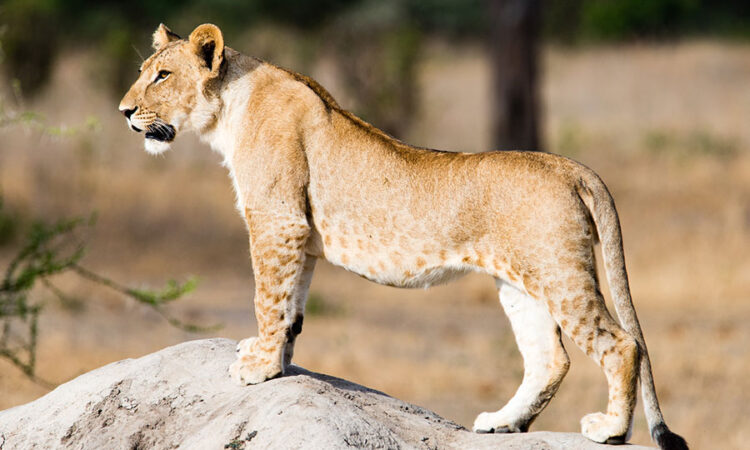
Where to spot lions in Kenya and Tanzania?
Where to spot lions in Kenya and Tanzania?
On an African safari, Kenya and Tanzania are the attractive safari destinations that offers amazing spotting the various wildlife especially the big five mammals including the famous lions that offers you wonderful safari experience.
Serengeti National Park.
There are approximately 3,000 safari lions in the Serengeti. The Serengeti is thought to have the largest population of lions in Africa due to the large number of prey species. More than 3000 safari lions live here, meaning that you won’t have a problem spotting these big cats on your lion safari.
The Serengeti plains offer safari lions a generous space to roam, hunt and live. You will be able to see the Great Migration if you are fortunate enough to go on an African lion safari in the Serengeti. This is not only a fantastic chance to watch thousands of wildebeest migrate over the plains in pursuit of water and new pastures, but it’s also a perfect chance to see prides of safari lions exploit their victims in front of your very eyes. Although it might be a terrifying event, seeing a kill is an intriguing element to the Migration. With year-round lion sightings, the Serengeti is an excellent destination for lion safari reservations.
Ngorongoro Crater
Ngorongoro Crater has a very fascinating history of lions in Africa. In fact the history is so turbulent that journeying through this crater and learning about these supreme beasts will bring wonder to your eyes and ears. Although the number of prides within the crater are conservative, these safari lions here haven’t had an easy ride through history and nearly died out a few decades ago. In addition to visiting this breathtakingly magnificent part of Africa, the crater is home to a variety of stunning creatures. The number of safari lions on the Crater floor is approximately 65 to 75. Just a few prides exist, and the majority are made up of adult females.
The Ngorongoro Crater has long been regarded as one of Africa’s top lion viewing locations. Over the years, lion populations have fluctuated, but in 1975, the Ngorongoro Crater boasted one of Africa’s largest lion populations. In 2014, it then fell to about 55. Currently, the Ngorongoro is ruled by just four majestic lion prides.
Tsavo National Park, Kenya
Kenya has done a stellar job in banning the practice of lion hunting since 1977. Tsavo National Park is one of Kenya’s parks that is especially well-known for a unique species of safari lion. With a total area of around 22,000 km2, Tsavo East National Park is the oldest national park in Kenya and the biggest in the country, if not the entire globe. It is also home to Africa’s largest prides of lions and the nation’s largest herds of elephants.
Numerous species can find wild area in Tsavo National Park, one of the biggest wildlife reserves in the world. The Park has been divided into two distinct areas, Tsavo West and Tsavo East, due to its immense size. The “Nairobi to Mombasa highway” serves as the dividing line.
These two mane-less male lions chewed their way through 135 railway workers over a period of 9 months while the Kenyan-Uganda railway was being constructed. These lions were eventually shot and killed by Colonel John Patterson (who wrote the book), and are on display today at the Chicago Natural History Museum in the USA, but their descendants can still be found in large numbers in the Park, although they now prefer zebra and gazelles as their staple food.
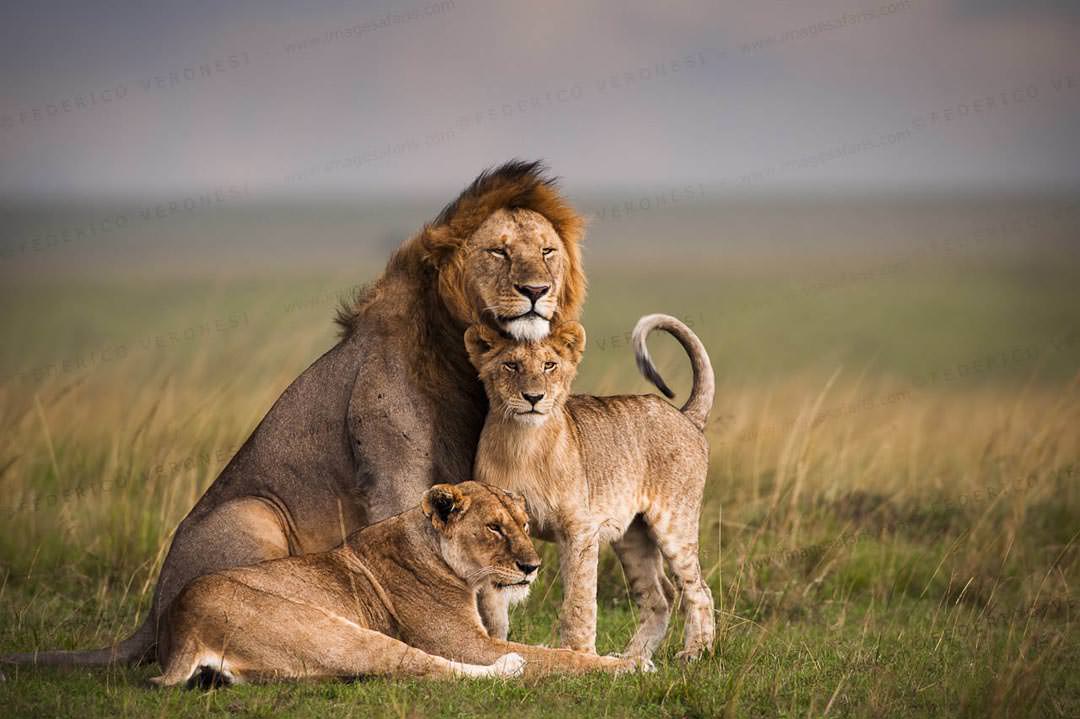
Lake Manyara National Park.
If you ever find yourself faced with a lion – don’t climb the trees in Lake Manyara! The safari lions at Lake Manyara National Park are referred to as “tree-climbing lions.” These unique safari lions attract visitors from all over the globe and usually spend their days on the branches of the trees, while they descend to the ground at sunset in search of food.
Lake Manyara was once the filming location of the classic Tarzan movies. We’ll be going there as part of our African Lion Safari Adventure; it’s a well-liked lion safari site between Arusha and the Serengeti.
The main draw of any lion safari is the park’s tree-climbing lions. Only Lake Manyara and Queen Elizabeth National Park in Uganda were able to claim this unique chance to see lions scaling trees until recently. These large, tree-climbing cats are now believed to have expanded to the Serengeti.
Why do lions climb trees, and are they proficient tree climbers? Lions in Africa are good tree-climbers but only climb trees to protect themselves as well as get away from the ongoing irritation of insect bites that they encounter when lazing on the ground. Some say, that these safari lions have perfected the art of tree climbing to escape the sweltering heat and to stay cool underneath the branches and leaves of the tree. A big gain for a lion in a tree is that it provides an excellent vantage point to observe the movement of prey across the plains in search of grazing opportunities and water.
Seasoned animal behaviorists confirm that it is strange behavior that safari lions climb trees and lay on the branches. It is so rare to witness these bold lions that you are only able to spot these lions in the 3 places above on your lion safari.
Mount Longonot National Park.
Mount Longonot was once the mightiest Volcano in the Great Rift Valley! It is also the largest volcano in the Rift Valley. The lip of Longonots Crater rises about 3,000 meters above the rift floor and overlooks the glistening Lake Naivasha. The Great Rift Valley’s most breathtaking scenery may be seen from the crater rim. Mount Longonot attracts a plethora of wildlife. Safari lions, buffaloes, elands, leopard, bushbucks, zebra, giraffe and Grant’s gazelles. Mount Longonot is excellent for a walking safari too (we visit Mount Longonot on our African Lion Safari)
This prospering mountain is surrounded by the popular homelands of the Maasai. The Nilo-Hamitic Maasai tribe are the most visually striking and colourful tribes in Kenya. They are nomads whose lives have remained the same for many centuries and reflect a constant search for water and grazing plains for their cattle.
Going on a lion safari to Mount Longonot is best when the weather is good (Jan – March or July – October). This mountain offers incredible views! You’ll get to see Lake Naivasha, Mau Escarpment, the peaks of the Aberdare and the Great Rift Valley.