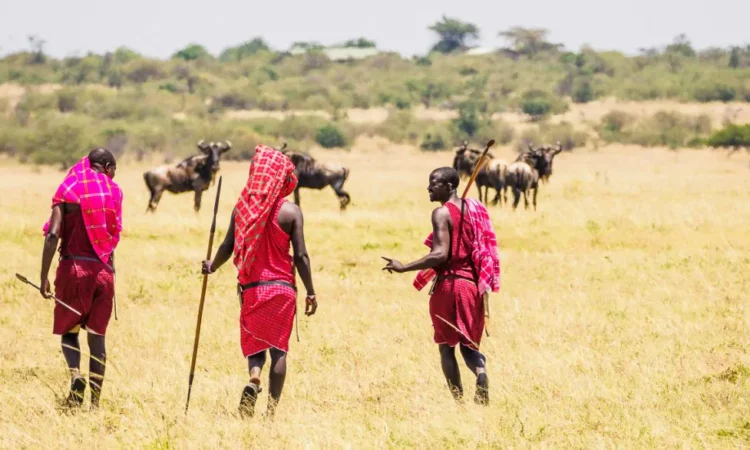
What is the Best Month to go to Masai Mara National Reserve?
What is the Best Month to go to Masai Mara National Reserve?
Kenya’s Masai Mara National Reserve in the southwest is one of Africa’s best-known safari destinations, with its rolling savannahs, profusion of wildlife, and the celebrated Great Migration. There are excellent wildlife viewing year-round in the reserve, but a few months are better than others for a variety of reasons, including weather, animal movements, crowds and travel costs.
Knowing what to expect from each season enables travellers to select the best month for their type of safari.
Best Month Overall: August
Indeed, August is considered by most as a perfect time to visit the Masai Mara National Reserve. This month is in the middle of the dry season and is the same time as the dramatic river crossings of the Great Migration which sees hundreds of thousands of wildebeest, zebras, and gazelles crossing from Tanzania’s Serengeti into Kenya’s Masai Mara in search of new grazing. Mara River crossings in August are even more exciting because crocodiles and lions stalk the banks, making it one of the greatest wildlife spectacles on earth.
August is a great month for safari, the days are typically cool and dry, with sunny skies and very little rain, so game drives are rather pleasant and the photography can be good. The dry grasses and open landscape also increase visibility making it easier to spot animals as they congregate around permanent sources of water.
July to October: The Peak Safari Season
Although August is the highlight of the year, the period from July to October is generally considered the best time to visit the Masai Mara.
July sees the start of the Great Migration, with animals beginning to move across the border to Kenya, and that is what September and October are greatly characterized by continued migration and slightly fewer crowds than in August.
During this time, the game viewing is at its best. The huge herds take over the plains, and there are plenty of predator, prey interactions as lions, cheetahs, and leopards hunt the ample prey. The weather stays mostly dry, the roads are in good shape, and the risk of contracting malaria is lower than in the rainy months.
The only drawback of this period is that there are more visitors and the prices of lodges and camps are higher, particularly in August. Those who are planning to visit during the peak season must book well in advance.
June and November: Perfectly Balanced and Advantageous
June and November offer great options for travellers who want to reasonably reconcile good wildlife viewing with the least possible crowd. June signals the start of the dry season when the weather gets better, and animals gradually gather in larger numbers. Even though the Great Migration is not at its peak yet, there is a great abundance of resident wildlife and the scenery is still very green from the previous rains.
November, on the other hand, happens to be just after the short rains. The park turns greener, birdlife is incredible, and there is plenty of wildlife. The number of visitors significantly decreases thus, this month is very suitable for those travellers who prefer a stay at a quiet safari with lower, priced options.
January to March: Great Wildlife & Clear Skies!
The January through March months fall within the dry season and are yet another great time to visit the Masai Mara. Wildlife viewing is always pretty good as the animals are still within the reserve and water is scarce. Photographers love this time of year with clear skies & beautiful golden light.
While the Great Migration is absent at this time, predators are plentiful and nearby systems undergo the calving season, drawing big cats. You will also find warm days and less crowd during this month compare to peak migratory month.
April and May: Green Season and Few Tourists
April and May are the main rainy season in the Masai Mara and as such are generally considered the low season. Heavy downpours can make some roads impassable, and game animals often scatter because of plentiful water and grass. Nevertheless, this time of the year has its own charm.
The scenery is beautiful and it is quite a pleasure to do photography under such conditions, besides getting to see a wide variety of birds. Accommodation prices are drastically reduced, and the park is not crowded at all. If you are a budget traveller and like solitude and awesome nature, April and May are the months that can still give a lot of satisfaction to you.
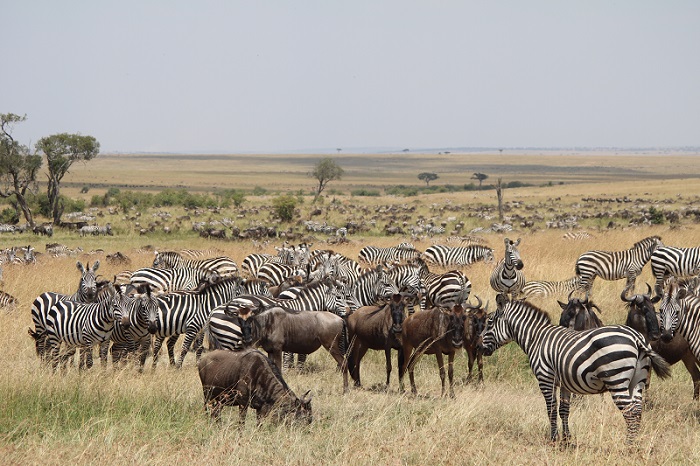
Choosing the best month for your safari
The perfect month for a Kenya trip to Masai Mara National Reserve depends on your safari expectations. August is perfect for the Great Migration that reaches the climax, whereas January to March are the best months for travellers who want to enjoy wildlife but without very large crowds. June and November provide a mixture of good weather, animals, and value, while April and May cater to the most budget, conscious travellers and photographers who want to capture the lush green landscapes.
Whatever the time of your trip is, the Masai Mara offers incredible and diverse wildlife experiences all year round, which is why it is one of the most dependable and exhilarating safari spots in Africa.
If you want a safari of a lifetime, the Masai Mara offers the best experience in August with the Great Migration, good weather and intense wildlife viewing in general. Nevertheless, July to October provides reliably excellent safari game viewing, January to March is best for fewer crowds and big cats, and April to May is ideal for budget travellers and nature photographers.
Whether you go in any month you like, Masai Mara will never disappoint with wild animal sightings and is one of Africa’s best safari destinations.