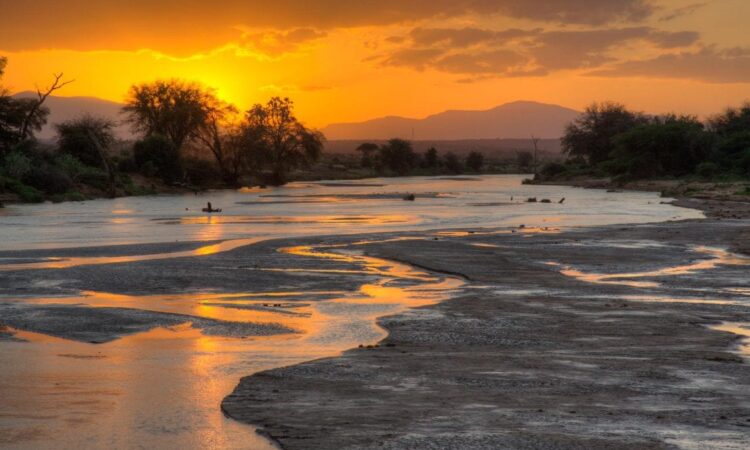
What River is in Samburu National Park?
What River is in Samburu National Park? Consider Samburu National Reserve into your bush plans to experience a classic northern Kenyan safari with unfettered access to untamed East African environment! Northeast of Laikipia, the 165-square-kilometer (64-square-mile) reserve is home to some of Africa’s rarest plants and animals. Under the direction of a centralised local government, the Samburu communities that inhabit there maintain and run Samburu Reserve, a community-based wilderness. The Samburu have shaped a wilderness that is home to some of the most endangered species in Kenya, Africa, and the world by successfully striking a balance between the needs of their people and the preservation of wildlife. Kenya Safari’s journey through the Samburu wilderness will show you how the varied landscape changes from undulating grasslands to volcanic remains.
The vegetation is dense along the Ewaso Nyiro River, which is the primary water source in Samburu National Reserve. Although this river normally flows through the reserve without any problems, its waters dry up during the worst droughts. As a result, the Isiolo River, which the reserve shares with Buffalo Springs National Reserve, becomes crucial to the animals and communities. You might not expect to spot wildlife in such a barren environment, yet Samburu is home to a diverse range of animal species. The most well-known and sought-after of all are these five animals: the reticulated giraffe, gerenuk, grevy’s zebra, Somali ostrich, and beisa oryx. More frequent mammals include impalas, waterbucks, grant’s gazelles, hippos, dik diks, olive baboons, warthogs, elephants, and many more.
Carnivores such as lions, cheetahs, crocodiles, and leopards, to mention a few, are supported by these prey animals. You might even see the strong African wild dogs that have been observed in the reserve. Your guide will help you to point out signs of the critically endangered pancake tortoise while on your nature walk. There are more than 450 kinds of feathered animals, including those found in northern bush and riverine forests. Your Samburu guide will assist you in identifying a variety of sunbirds, bee-eaters, kingfishers, woodpeckers, hornbills, and other avi-fauna during your kenya safari birding tour in Kenya. These include birds of prey such as the palm-nut vulture, verreaux’s eagle-owl, Egyptian vulture, lappet-faced vulture, and many others.
Tour Samburu National Reserve with Kenya safari
On your northern Kenyan bush adventure, discover the Samburu National Reserve’s wealth of natural beauty. The reserve has a wide variety of plants and animals, both big and little, which you may find in its breathtakingly beautiful and expansive landscape. Game drives are made possible by Samburu’s harsh, desert landscape, which sets it apart from other remote African safari sites. But what distinguishes the reserve from the Masai Mara is that, because of its isolated location, most tourists do not frequently visit the area. This makes you feel truly alone and “one with” nature, especially when you stay at places like Saruni Samburu or Saasab.
Both Samburu National Reserve and the neighbouring Buffalo Springs National Reserve provide exclusive game viewing experiences. In order to avoid the midday heat, kenya wildlife Safaris may also arrange for half-day wildlife drives that include a bush breakfast before heading back to camp. Every day in the morning and afternoon, game drives are conducted. Samburu’s unique geographical characteristics and profusion of wildlife make it a photography paradise for both professional and amateur photographers. The presence of reticulated giraffes, elephants, gerenuks, buffalos, hippos, oryx, ostriches, and many other herbivores, along with sly leopards, lions, cheetahs, hyenas, crocodiles, and other hunters, will make any nature and wildlife enthusiast’s vacation in Samburu Reserve extremely exciting.
What river is in Samburu National Park?
We recommend nature hikes and birding for when you want a much slower pace, like after breakfast or lunch. With over 450 different species of birds in the reserve, you may be sure to spot feathered inhabitants in the trees, along the Ewaso Nyiro River, and everywhere else you look. The reserve is home to two globally threatened species, the lesser falcon and the lesser kestrel, as well as two-thirds of the 90 species found in neighbouring countries. Among the birds are the eastern yellow-billed hornbill, banded warbler, fire-fronted bishop, vulturine guineafowl, and red-and-yellow barbet.
A guided nature walk is highly recommended by Kenya safari tours because it allows you to experience the Samburu ecology up close and personal through your senses of touch, smell, sound, and sight. The reserve’s geology, human history, and flora and animals are all explained by a naturalist. You can incorporate a substantial picnic lunch in the wilderness into your nature and birdwatching excursions. Your guides are Samburu tribe members, and you take an ethnic tour of one of the most genuine native communities in East Africa to learn more about their customs and way of life. See first hand how these indigenous people manage to preserve their traditional ways of living while juggling the demands of contemporary life by visiting nearby villages. You might be able to witness traditional dances, artisanship, education, and family.
The Best time to visit Samburu National Reserve
In order to make the most of your game viewing and safari in kenya activities, Kenya tours advises you to take into account some climatic aspects of equatorial Kenya. The arid and semi-arid landscape of Samburu National Reserve offers our guests an amazing African wildlife vacation at any time of year. Depending on the month of travel, daytime highs in Samburu can range from 84 F (29 C) to 90 F (32 C) degrees, and night time lows can range from 61 F (16 C) to 66 F (19 C).
We advise you to pack extra layers of clothing, like a fleece or jumper, to protect yourself from the cold night air as the sun sets. However, Samburu does not get as cold as the highlands of the Great Rift Valley, such as Masai Mara, Lake Nakuru or Naivasha, Amboseli, etc. Because they change over the dry and wet seasons, animal experiences and logistics are other elements of your Samburu outdoor tour that are impacted by the weather. The greatest time to visit Samburu Reserve, in our opinion, is during the lengthy dry season, which runs from July to October.
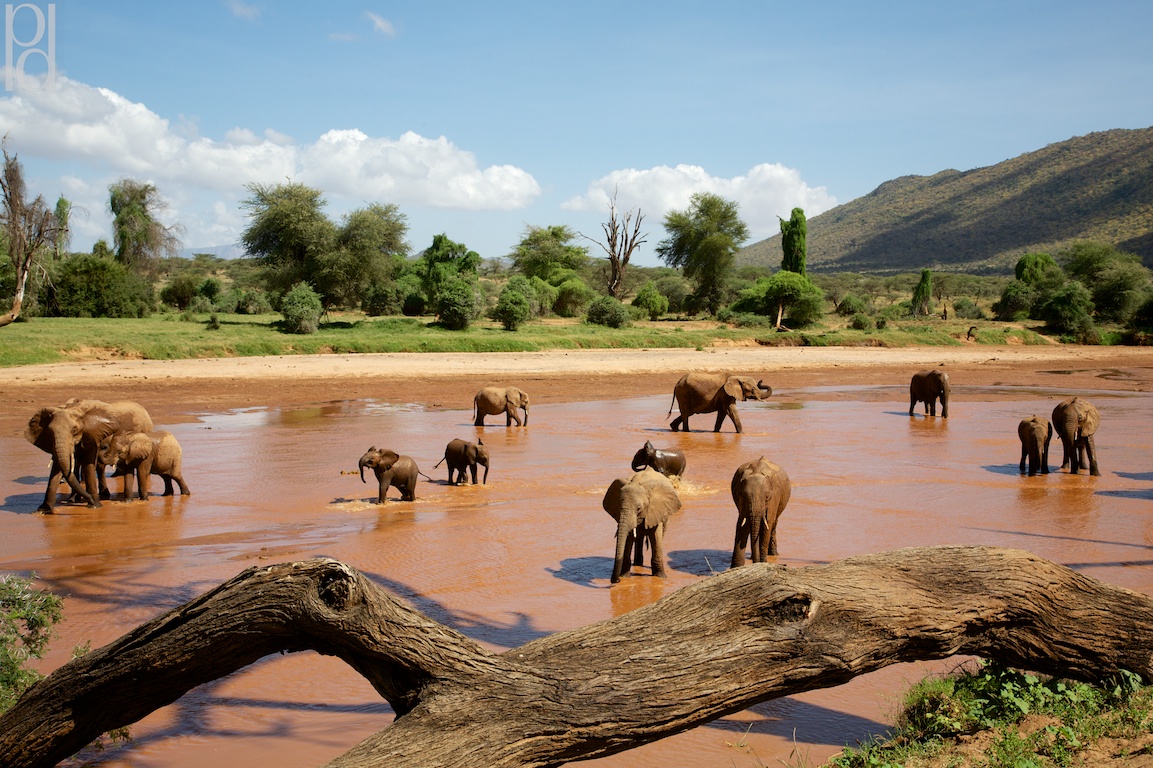
During this time the animals gather near the Ewaso River to drink and feed because there aren’t many water sources because of the lack of rainfall. Because there is less vegetation, it is simpler to find and see wildlife. The roads are also easy to navigate and dry.
Though not as many visitors as the Mara, this time of year corresponds with the Great Wildebeest Migration in the Masai Mara and also summer vacation for American and European families. By late October, the brief showers begin to fall, continuing into November and December. Road conditions could be subpar, but visitor numbers are often lower than during the busiest time of year. Some visitors plan their Christmas and New Year’s vacations to Kenya during the last two weeks of December, therefore the number of Kenya safari visitors rises a little during these joyous occasions.