Travel tips in Kenya and Tanzania
Travel tips in Kenya and Tanzania : A safari experience in Kenya or Tanzania is accessible to almost everybody. The majority of safari excursions that travel agencies provide are outdoor vacations centered on seeing African wildlife rather than demanding missions. There is no need for prior outdoor activity experience or knowledge of Africa or its wildlife. Although specific safari gear is not required, owning binoculars can greatly improve your experience.
Traveling by Road.
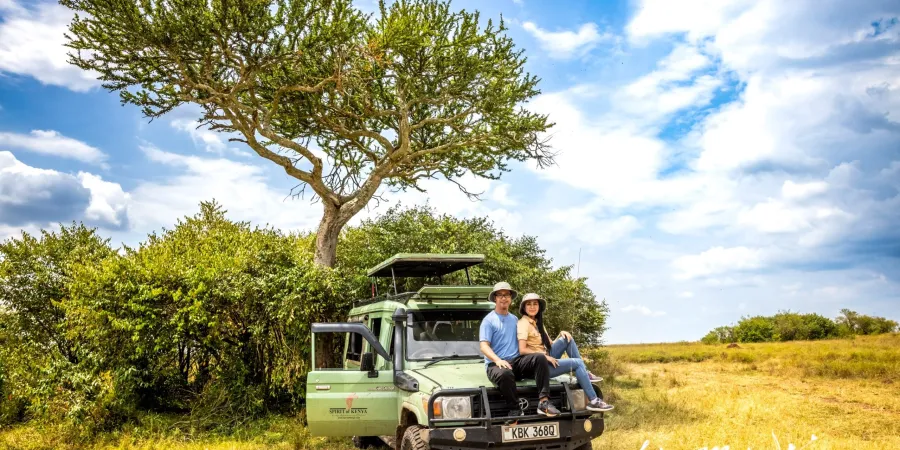
Game drives inside national parks and between parks are the main usage for 4WD safari jeeps, which are utilized for the majority of safaris in Kenya and Tanzania. Within a week, itineraries frequently include trips to many parks, sometimes necessitating lengthy drives of five to six hours to reach far-flung locations. Travelers may spend approximately 25 hours on Kenyan roads or 15 hours on Tanzanian highways during a normal week-long safari.
Road Conditions.
From well-kept paved roads to rugged jungle paths, road conditions vary greatly. Long commutes can be taxing due to dusty, rough, and corrugated roads as well as high daytime temperatures that surpass 30°C (85°F).
Physical Factors.
Because of the terrible road conditions, you might want to think again about booking a safari if you have back issues or find it difficult to sit for long periods of time. As an alternative, work with a safari-focused travel agency to personalize your schedule, either cutting down on driving time or choosing to take planes between locations. Your entire safari experience can be improved by concentrating on a small number of excellent parks and making sure that your transportation is comfortable.
Flying to Avoid Poor Roads.
Air travel is a quicker and more comfortable way to get to big parks than driving. Most parks have daily scheduled flights, and those having airstrips can also choose to charter. These routes are served by smaller aircraft, such as Cessnas and Beechcrafts, which land on dirt or grass airstrips.
Going Alone.
Even those with little prior travel experience can easily join group safaris. In addition to meeting lone passengers at the airport, we help groups participate in the safari and offer support when required.
Language Skills.
Although safari guides and hotel employees speak English, it could help to have some command of the language for communication. You will undoubtedly learn some regional idioms and expressions from your guide.
Taking Kids on Vacation.
Safaris are open to kids of all ages, though there are some restrictions. Because of things like hot weather and vast travel distances, children usually have their best safari experiences when they are nine or ten years old. Families might be accommodated with customized itineraries that choose kid-friendly lodging and modify activities. Just remember that the majority of the places are high-risk areas for malaria.
Accessibility for Disabled Travelers.
Limited wheelchair accessibility at hotels, camps, and safari vehicles can provide challenges for guests with disabilities. Nonetheless, some businesses provide specific cars and accommodations for customers with disabilities.
Particular Requirements.
For people with special needs, traveling in undeveloped nations like Tanzania and Kenya can be difficult. Accommodations for particular needs cannot be as easily accessible as in wealthy nations, even though tourist services are offered. A more seamless safari experience can be guaranteed if requirements are discussed with us prior to booking.
Health Issues.
Travelers should have the essential equipment and prescriptions because medical services may not be easily accessible in remote safari locations. Additionally, lodges and campgrounds may have limited electricity, necessitating advance planning for a steady supply.
Interaction.
Safari regions have extensive mobile phone coverage, although network dependability varies. Although speeds may be slow, phone and internet connections are usually available in lodges and campers. Most campers will have wifi, however it doesn’t always operate.
Dietary Requirements.
Vegetarian and gluten-free alternatives are accommodated by the majority of lodges and campers. International airlines provide special meal alternatives upon request, and special meal requests are typically accommodated with advance notice. The standards, nevertheless, will be simpler than you’re accustomed to.